The Price of Quiet: How Acoustic Privacy Has Emerged as a Defining Criterion in Park City's Ultra-Luxury Market
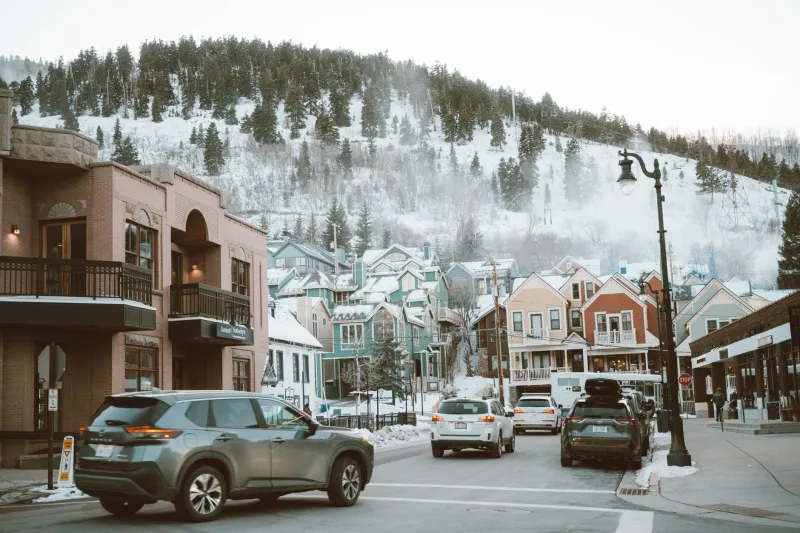
Park City has always been a place of organized exuberance. Ski lifts begin their mechanical hum before dawn. Après-ski establishments on Main Street generate a particular variety of seasonal noise that carries further than most visitors expect. The Sundance Film Festival compresses tens of thousands of attendees into a compact geography for ten days each January. The outdoor concert series at Deer Valley Resort fills summer evenings with amplified sound that drifts across mountain neighborhoods in ways that topography makes difficult to predict.
For most visitors, this ambient energy is part of the appeal. For buyers at the upper tier of Park City's luxury market — those acquiring properties in the $5 million to $15 million range — it has become something else entirely: a risk factor, a negotiating variable, and, for an increasing number, a deal-breaking condition.
The Emerging Appraisal Factor That Most Listings Ignore
Traditional real estate appraisal methodology is ill-equipped to account for acoustic environment. Square footage, lot size, comparable sales, and view corridors are measurable. Sound is not — at least not within the frameworks that most appraisers routinely apply. Yet buyers, particularly those who have experienced the difference between a genuinely quiet luxury property and one that merely appears quiet during a midweek showing in March, are assigning meaningful value to the distinction.
Informal conversations with luxury buyers active in the Park City market reveal a consistent pattern: noise-related concerns that were not disclosed prior to purchase have become a source of post-closing disappointment in several high-profile transactions. Properties adjacent to snowmaking infrastructure, within earshot of festival staging areas, or positioned in ways that funnel lift-line conversation into outdoor living spaces have, in some cases, experienced reduced resale interest as a consequence.
The inverse is also true. Properties in micro-neighborhoods that offer genuine acoustic separation from Park City's busiest corridors — despite their central locations — are attracting premium interest and, in some instances, commanding price-per-square-foot figures that exceed what their physical specifications alone would suggest.
Which Micro-Neighborhoods Offer Genuine Quiet?
Park City's acoustic landscape is more nuanced than its overall reputation as a bustling resort town implies. Several neighborhoods achieve meaningful quiet through a combination of topography, setback from commercial corridors, and thoughtful community planning.
Empire Pass and the upper reaches of Deer Valley's Montage area benefit from their elevation and distance from the primary entertainment infrastructure. The terrain itself acts as a buffer, and the density of development in these communities is low enough that neighbor-generated noise is rarely a significant concern. Buyers in these enclaves frequently cite the quality of nighttime silence as one of the most unexpectedly compelling attributes of ownership.
Certain pockets within the Old Town and Park Avenue corridors present a more complex picture. These areas offer proximity to Main Street's cultural amenities — a genuine lifestyle advantage — but the acoustic environment varies dramatically by specific block, building orientation, and lot depth. Properties set back from primary thoroughfares with mature landscaping and solid structural construction often achieve a degree of quiet that their addresses would not suggest. Conversely, properties with street-facing primary bedrooms and older window assemblies may present acoustic challenges that are difficult to mitigate without significant investment.
Promontory and Victory Ranch, situated further from Park City's urban core, offer expansive acreage and the natural sound attenuation that comes with distance and open landscape. For buyers whose primary concern is acoustic privacy and who are less focused on walkability, these communities represent a compelling proposition.
Acoustic Engineering: What Is Actually Possible
For buyers who have identified a property with exceptional attributes but a less-than-ideal acoustic environment, the good news is that modern construction and renovation techniques offer meaningful remediation options. The field of acoustic engineering has advanced considerably, and several solutions are now being incorporated into Park City luxury builds and renovations with increasing regularity.
Triple-pane window assemblies with laminated glass are among the most effective interventions available. Standard double-pane windows provide a meaningful improvement over single-pane construction, but triple-pane systems with appropriate lamination can reduce exterior sound transmission by 30 to 40 percent — a difference that is perceptible in everyday living. For properties in areas with predictable noise sources, such as ski lift machinery or festival staging, the investment is frequently justified by the quality-of-life improvement it delivers.
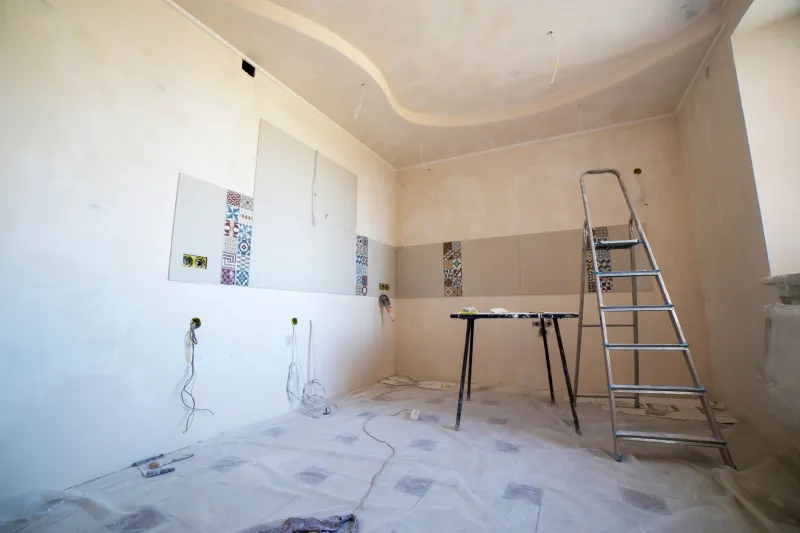
Mass-loaded vinyl (MLV) barriers, installed within wall and floor assemblies during renovation, provide another layer of sound attenuation without requiring the complete reconstruction of structural elements. Combined with resilient channel framing and acoustic insulation, these systems can transform the interior acoustic environment of an existing home in ways that photographs cannot convey but buyers immediately register upon entry.
Landscaping as acoustic infrastructure is a subtler but effective strategy. Dense evergreen plantings, earthen berms, and water features positioned strategically on a property can reduce the perceived intensity of external noise sources while simultaneously enhancing the visual character of the outdoor environment. Several Park City landscape architects have developed specific expertise in this intersection of design and acoustics.
How Buyers Are Changing Their Due Diligence Process
The buyers most attuned to acoustic considerations are those who have learned from prior experience — either their own or that of peers. Among this cohort, a new layer of due diligence has emerged that goes beyond the standard property inspection.
Some buyers are conducting site visits at multiple times of day and across different seasons before committing to a purchase. A property that appears tranquil during a Tuesday afternoon showing in early October may present a very different acoustic profile on a Saturday night in January, when Main Street is at peak capacity and snowmaking operations are running at full intensity. Buyers with the flexibility to visit under varied conditions are making more informed decisions as a result.
Others are engaging acoustic consultants — professionals who conduct sound-level measurements at a property and provide written assessments of the acoustic environment across different noise conditions. While this practice remains relatively uncommon in the broader market, it is gaining traction among buyers in the upper luxury tier, where the financial stakes of a poorly informed decision are highest.
Managing Acoustic Expectations in Rental Properties
For property owners who operate their Park City homes as vacation rentals, acoustic environment has a direct impact on guest satisfaction scores and repeat booking rates. Noise complaints — particularly from guests unaccustomed to the proximity of ski lift operations or festival traffic — are among the most common sources of negative reviews in the luxury rental segment.
Property managers who serve the luxury market have become increasingly attentive to this dimension of guest experience. Accurate pre-arrival communication about the acoustic character of a property, combined with in-home solutions such as high-quality white noise systems and premium window treatments, can substantially reduce the incidence of noise-related dissatisfaction. For owners considering acoustic upgrades to their rental properties, the return on investment should be evaluated not only in terms of construction cost versus nightly rate improvement, but also in terms of review quality and the long-term reputation of the listing.
At Park City AV, our property management advisory services include an assessment of acoustic environment as a standard component of luxury rental preparation. In a market where the difference between a four-star and a five-star guest experience is often determined by factors that never appear in a listing description, silence — genuine, engineered, and deliberately preserved — has become one of the most valuable amenities a luxury property can offer.