More Than a Ski Town: How Park City's Summer Renaissance Is Driving Year-Round Property Demand
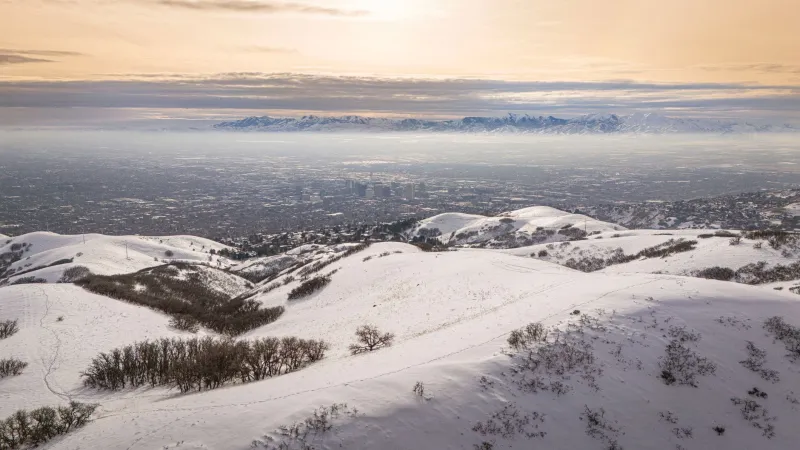
For decades, the conversation surrounding Park City real estate began and ended with snow. Proximity to the Wasatch Range, access to world-renowned ski resorts, and the social rhythms of a mountain winter defined the market's identity. That calculus is shifting—and the implications for both buyers and long-term investors are substantial.
Park City's summer season has matured from a quiet shoulder period into a genuine cultural and recreational destination in its own right. The transformation is not incidental. It is the product of deliberate infrastructure investment, a growing event calendar, and an evolving buyer profile that values twelve months of engagement over a four-month ski window.
The Summer Calendar Has Become a Serious Asset
Visitors who arrive in June, July, or August today encounter a fundamentally different experience than those who discovered the town through winter sports alone. The Deer Valley Music Festival, the Sundance Institute's summer programming, the Park City Food & Wine Classic, and a rotating roster of arts and cultural events have collectively positioned Park City as a warm-weather destination with genuine sophistication.
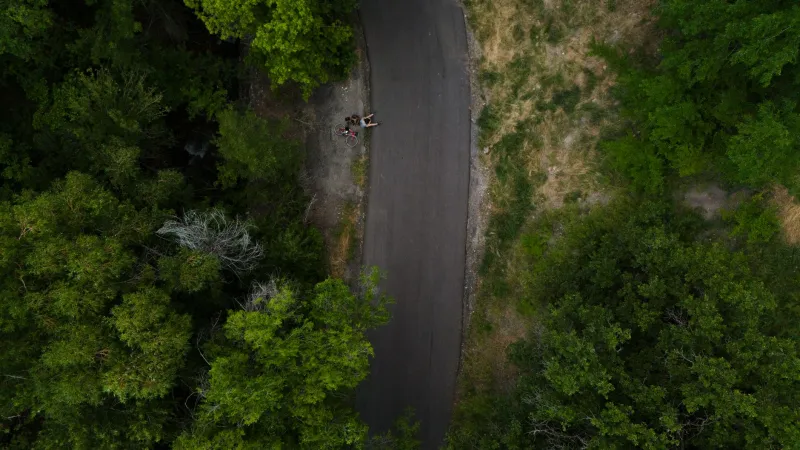
Equally significant is the trail infrastructure. The Park City trail system now encompasses more than 400 miles of interconnected routes, attracting mountain biking enthusiasts from across the country and internationally. The resort operators themselves have invested heavily in lift-served summer biking, gravity parks, and guided outdoor experiences that extend the hospitality season well beyond Memorial Day. For property owners, this translates directly into extended rental periods, higher occupancy rates, and a broader pool of prospective tenants.
Buyer Priorities Are Evolving—Visibly
Luxury buyers entering the Park City market in the current cycle are asking different questions than their predecessors did a decade ago. Proximity to ski lifts remains important, but it is no longer the singular criterion driving acquisition decisions. Today's sophisticated purchaser wants to understand what the property offers in July as much as in January.
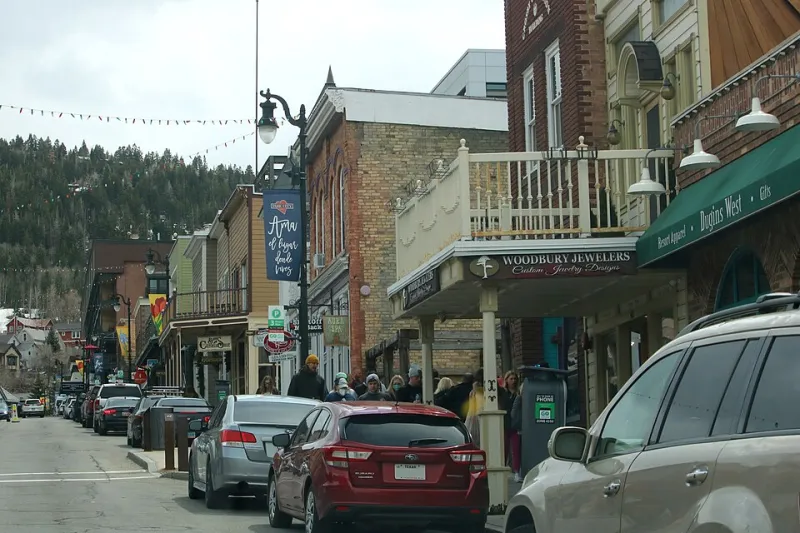
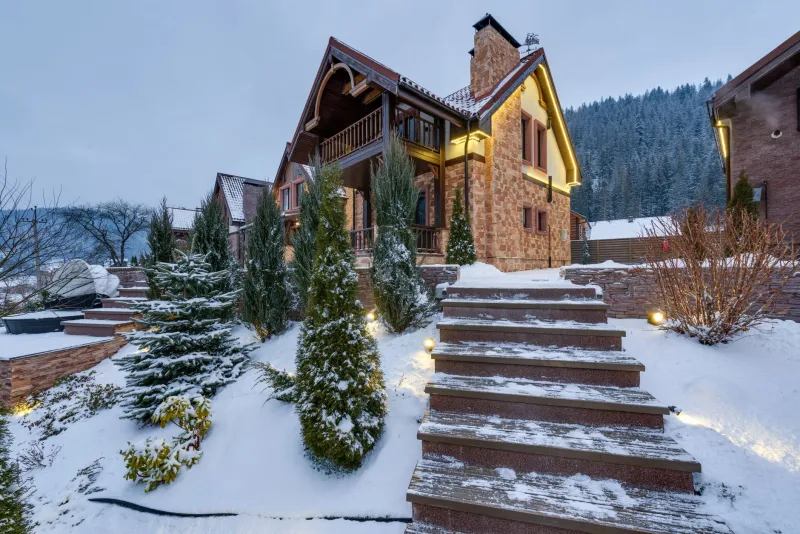
This shift is reflected in the premium now attached to properties offering direct trail access, outdoor entertaining spaces, and proximity to the walkable Historic Main Street corridor. Homes that once commanded modest premiums for summer-adjacent amenities are now being appraised and marketed with explicit attention to their warm-weather credentials. Outdoor kitchens, covered patios designed for high-altitude evenings, and landscaping that performs across multiple seasons have moved from optional upgrades to expected features in the luxury tier.
Buyers relocating from coastal markets—particularly California, the Pacific Northwest, and the Northeast—are often already acclimated to the idea of a property that earns its value across the full calendar year. For this cohort, a Park City home that sits idle from April through November represents an inefficient use of capital, both personally and financially.
The Investment Case for Summer-Ready Properties
From a pure investment standpoint, the summer season's rise has meaningfully altered the revenue modeling for vacation rental properties. A home that previously generated the majority of its rental income across the ski season—roughly Thanksgiving through late March—can now sustain bookings well into September, and again through October's fall foliage window.
Savvy property managers and investment-minded buyers are recognizing that summer occupancy, though historically lower per-night than peak ski weeks, provides a stabilizing income stream that reduces the volatility inherent in weather-dependent winter seasons. A poor snow year carries significantly less financial consequence for an owner whose property is generating consistent bookings from mountain bikers in June and festival-goers in August.
Properties within walking or easy cycling distance of Park City's trail network, or those situated near the Swaner EcoCenter and the natural open spaces of Snyderville Basin, are attracting particular attention. These locations offer a compelling narrative that resonates with both lifestyle buyers and rental investors alike.
What This Means for Long-Term Appreciation
The emergence of summer as a legitimate demand driver introduces a structural floor beneath Park City property values that was less clearly defined in prior market cycles. When appreciation is anchored to a single season, values become vulnerable to external shocks—whether a low-snowfall winter, a shift in resort ownership, or broader changes in skiing's cultural popularity. A market supported by diversified seasonal demand is inherently more resilient.
Analysts tracking the broader mountain west luxury market have noted that towns successfully cultivating year-round identities—Aspen, Jackson Hole, and increasingly Park City—tend to demonstrate more consistent appreciation trajectories than single-season resort communities. The infrastructure investment required to sustain that identity is substantial, but Park City's civic and private-sector commitment to the summer experience appears durable.
Positioning Your Purchase with the Full Year in Mind
For buyers currently evaluating Park City properties, the practical implication is straightforward: the due diligence process should extend beyond ski-season access and winter amenities. Prospective purchasers are well-served by visiting properties in summer conditions, assessing outdoor usability, reviewing summer rental histories alongside winter ones, and consulting with local property managers about seasonal demand patterns by neighborhood.
The most astute acquisitions in today's market are those that perform beautifully in both a January snowstorm and a July evening on the deck. Park City, more than at any previous point in its modern real estate history, offers that combination in abundance.