Twelve Months of Revenue: The Park City Vacation Homeowner's Complete Guide to Year-Round Rental Success
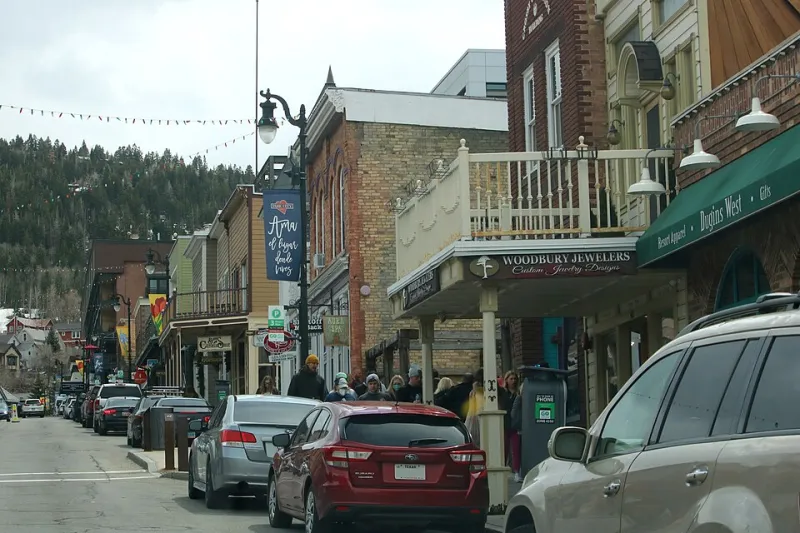
Photo: Bazzy11, CC BY-SA 4.0, via Wikimedia Commons
Ask most people what comes to mind when they picture a Park City vacation rental, and the answer is predictable: powder days, ski boots by the door, and a hot tub steaming against a January night sky. The winter identity of this mountain community is deeply embedded in the American imagination — and for good reason. The ski season, running roughly from late November through early April, has historically represented the financial backbone of the Park City short-term rental market.
But relying on ski season alone is, increasingly, a strategy that leaves significant money on the table.
The vacation homeowners who are generating the strongest returns in today's Park City market have fundamentally reimagined their properties not as ski lodges that happen to be available in summer, but as year-round lifestyle destinations capable of serving entirely different guest segments across twelve calendar months. The shift requires intention, investment, and a willingness to market creatively — but the financial upside is substantial.
Understanding the Seasonal Demand Landscape
Before developing a diversification strategy, it is worth understanding the actual contours of Park City's demand calendar. Winter (December through March) remains the peak period, with nightly rates for premium properties routinely exceeding $1,500 to $3,000 depending on bedroom count and proximity to lifts. Occupancy during this window is rarely the challenge; pricing optimization and minimum-stay policies are the primary levers.
The genuine opportunity — and the area where most vacation homeowners underperform — lies in the shoulder and off-peak seasons. May and early June, historically the quietest months in Park City, have begun attracting a growing volume of visitors drawn by wildflower hiking, mountain biking on newly opened trails, and the simple appeal of a mountain town without winter's logistical complexity. Late September through October offers arguably the most visually spectacular conditions of the year, as aspen groves across the Wasatch transform into cascading corridors of gold.
Summer — July and August — has evolved into a genuine second peak for Park City, driven by the Sundance Film Festival's extended cultural footprint, the proliferation of outdoor concerts and festivals, and the emergence of Park City as a preferred destination for destination weddings and corporate retreats.
The Wedding and Event Market: An Underutilized Revenue Stream
For owners of larger properties — particularly those with substantial outdoor spaces, mountain views, and guest capacity exceeding six bedrooms — the destination wedding market represents one of the most lucrative and underexplored revenue opportunities in Park City's rental ecosystem.
Consider the case of a seven-bedroom estate in the Glenwild area, managed by a Park City-based property management firm over the past three years. By actively marketing the property to wedding planners and event coordinators beginning in January of each year, the owners were able to secure four weekend wedding bookings for the following summer season, each commanding a property-use fee of $8,500 to $12,000 for a single weekend — exclusive of catering, décor, and other vendor fees paid directly to third parties.
The cumulative revenue from those four summer weekends alone exceeded $42,000 — a figure that approached 35 percent of the property's total annual rental income. Critically, wedding guests tend to treat rental properties with considerable care, and the concentrated weekend-use model minimizes wear relative to a comparable number of conventional vacation rental nights.
Property owners pursuing this segment should invest in professional event-specific photography, establish relationships with local wedding planners and venue coordinators, and ensure that their listings on platforms such as Peerspace and Giggster — which specialize in event venue rentals — are current and compelling.
Fall Foliage Packages: Marketing the Shoulder Season
The challenge with September and October is not demand — it is awareness. Many potential guests simply do not know that Park City in autumn rivals any New England fall destination in terms of visual drama and outdoor accessibility. The marketing imperative for fall rental success is education before conversion.
Successful operators have developed what the industry increasingly refers to as "experience packages" — curated bundles that combine the property rental with pre-arranged activities, local vendor partnerships, and themed amenities. A fall foliage package might include a guided aspen grove hike through Round Valley or Lost Prospector Trail, a charcuterie and local wine welcome basket sourced from Park City's artisan food community, and a printed guide to the area's best fall photography locations.
The incremental cost of assembling such a package is typically $200 to $400 per booking. The impact on conversion rates and achieved nightly rates, however, can be considerably more significant. One Old Town chalet owner reported that the introduction of a fall package — marketed through Instagram and a targeted email list of previous guests — increased October occupancy from 31 percent to 67 percent over two consecutive seasons.
Spring Event Accommodations: Sundance and Beyond
The Sundance Film Festival, held annually in late January, is the most well-known event driver for Park City rental demand. Less appreciated is the growing calendar of spring and early summer events that create discrete demand spikes for well-positioned properties.
The Park City Food & Wine Classic, typically held in late June, draws an affluent demographic of culinary enthusiasts who prioritize proximity to venues and a premium property experience. The Tour de Park City cycling event, the Kimball Arts Festival in early August, and the Park City Balloon Festival each create localized demand surges that attentive operators can capture through targeted listing updates and proactive outreach to previous guests with relevant interest profiles.
The operational key is calendar intelligence: knowing which events are occurring, when they are occurring, and adjusting minimum-stay requirements, pricing floors, and marketing messaging accordingly in advance of the booking window.
Operational Considerations for Year-Round Management
Expanding from a seasonal to a twelve-month rental model introduces operational complexity that should not be underestimated. Maintenance schedules must be adjusted to account for the different demands that summer humidity, spring snowmelt, and fall debris place on a property. Cleaning and turnover logistics require staffing resources that remain available across the full calendar, not merely during the ski season when local hospitality labor is most abundant.
For many owners, the most efficient path to year-round rental optimization is partnership with a full-service property management firm that maintains year-round operational infrastructure, active relationships with local event coordinators, and the marketing capabilities to reach different guest segments across platforms and channels.
The revenue potential of a well-managed, year-round Park City vacation rental is meaningfully greater than most owners currently realize. The properties achieving it are not exceptional in their physical attributes — they are exceptional in the intentionality and professionalism with which they are operated.