No Skis Required: How Non-Skiers Are Quietly Becoming Park City's Most Influential Luxury Buyers
For decades, the narrative around Park City real estate was elegantly simple: buyers came for the snow. The proximity to three world-class ski resorts — Park City Mountain, Deer Valley, and the Canyons Village — served as the primary justification for premium pricing, and ski-in/ski-out access was the single most coveted amenity a listing could offer. That narrative, while still partially intact, is undergoing a meaningful revision.
A distinct and increasingly influential demographic has entered the market: the affluent non-skier. These are buyers with substantial purchasing power — often in the $3 million to $10 million range — who are drawn to Park City not for its powder days but for an entirely different constellation of attributes. Understanding this shift is essential for anyone seeking to interpret current pricing trends, anticipate where the market is heading, and make sound investment decisions in Summit County.
Who Is the Non-Skier Luxury Buyer?
The profile is more varied than one might expect. Some are families with young children who have not yet taken up skiing and may never do so. Others are retirees and pre-retirees prioritizing health, altitude, and clean air over athletic pursuits. A significant segment consists of remote workers and entrepreneurs from coastal markets — Los Angeles, San Francisco, New York, and Miami — who relocated or acquired second homes during and after the pandemic and discovered that Park City offered something their primary residences could not: physical space, natural beauty, and a pace of life that felt genuinely restorative.
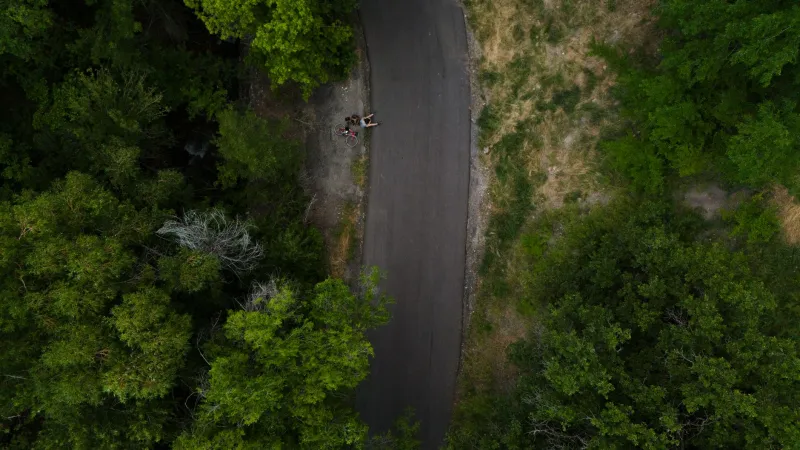
Then there is the wellness-focused buyer, perhaps the fastest-growing sub-segment. Park City's elevation, its proximity to hiking and mountain biking trails, its thriving spa culture, and its expanding roster of high-end wellness retreats have made it a compelling alternative to destinations like Scottsdale or Napa for buyers whose primary motivation is health optimization rather than sport.
What These Buyers Actually Want
The practical implications for property selection are significant. Where a skiing buyer might prioritize slope access, locker rooms, and boot warmers, the non-skier buyer is evaluating an entirely different checklist.
Outdoor living spaces — particularly those usable across multiple seasons — rank exceptionally high. Covered decks with radiant heating, hot tubs positioned to capture mountain views, and mature landscaping that provides privacy and a sense of enclosure are not merely amenities; they are primary decision drivers. Indoor amenities tell a similar story. Home gyms with professional-grade equipment, infrared saunas, cold plunge facilities, and meditation rooms are features that agents report generating genuine enthusiasm among this demographic.
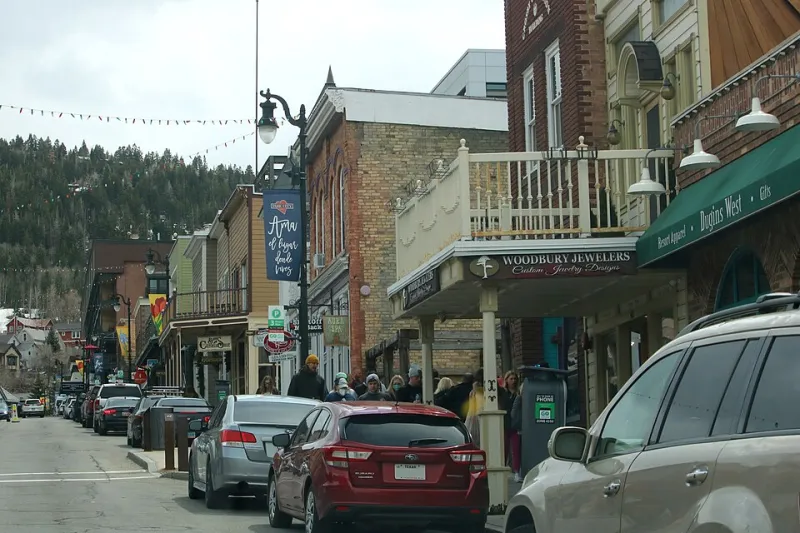
Cultural access matters as well. The Sundance Film Festival, the Kimball Art Center, the Utah Symphony performances at Deer Valley, and Park City's increasingly sophisticated dining scene are legitimate draws for buyers whose social lives revolve around arts and culture rather than mountain sport. Proximity to Main Street, walkability, and the ability to engage with the town's cultural calendar without dependence on a vehicle are factors that carry weight in the purchase decision.
Family-oriented buyers, meanwhile, are scrutinizing school district quality, the availability of year-round programming for children, and the presence of other families in the community. Neighborhoods that might have been overlooked by skiing purists — because they lack direct resort access — are being reassessed through the lens of livability, community character, and long-term habitability.
How Developers and Agents Are Responding
The development community has taken note. Several of the higher-profile projects currently under construction or recently completed in the greater Park City area have deliberately broadened their amenity packages to appeal to non-skiing buyers. Wellness centers, yoga studios, and concierge health services are appearing in resort communities that would have previously anchored their entire value proposition around ski valet and slope access.
Marketing language is shifting as well. Listing descriptions that once led with ski-in/ski-out access are increasingly foregrounding four-season lifestyle language. Phrases like "mountain sanctuary," "wellness retreat," and "year-round mountain living" appear with growing frequency in luxury listings, reflecting a conscious effort to speak to buyers whose primary frame of reference is lifestyle rather than sport.
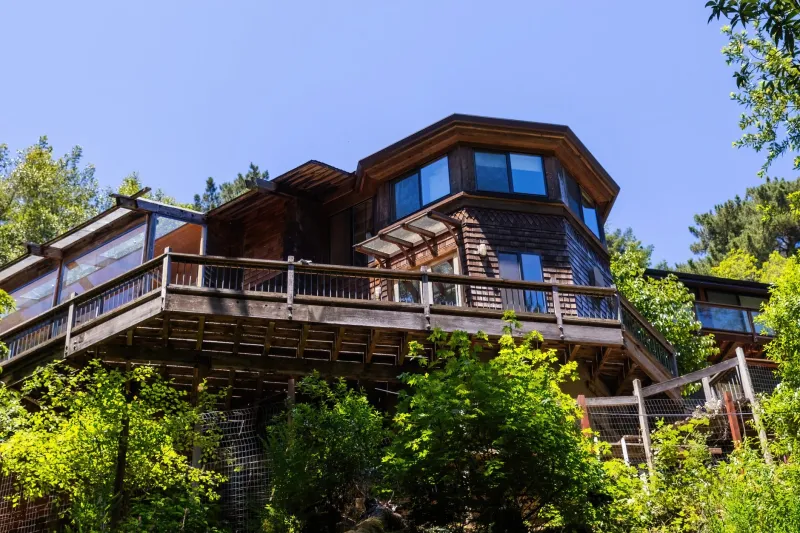
Architecturally, the implications are meaningful. Biophilic design — which prioritizes natural light, organic materials, and visual connections to the surrounding landscape — resonates deeply with wellness-oriented buyers who want to feel immersed in the natural environment without necessarily interacting with it through skiing or other high-intensity activities. Floor-to-ceiling glazing, natural stone, reclaimed wood, and indoor-outdoor flow are design choices that simultaneously appeal to both skiing and non-skiing buyers, which may explain their increasing prevalence in new construction.
Pricing and Market Positioning Implications
The entry of the non-skiing buyer into the market in meaningful numbers has had a measurable effect on pricing dynamics. Properties that previously occupied a middle tier — premium locations without ski-in/ski-out access — are experiencing renewed demand as their lifestyle attributes are recognized by a broader buyer pool. Conversely, ski-in/ski-out properties, while still commanding significant premiums, are no longer the unambiguous apex of the market in every scenario.
This creates interesting opportunities for buyers and sellers alike. A property that lacks direct resort access but offers exceptional wellness amenities, a thoughtful year-round outdoor living setup, and proximity to Park City's cultural core may now be priced more competitively than its intrinsic lifestyle value would suggest — simply because the market's historical pricing models were calibrated for a different buyer.
For sellers, the implication is equally clear: marketing exclusively to skiing buyers in the current environment means addressing a narrower audience than the market actually contains.
A Structural Shift, Not a Seasonal Anomaly
It would be a mistake to interpret the rise of the non-skiing luxury buyer as a temporary post-pandemic phenomenon. The structural forces driving this trend — remote work flexibility, the mainstreaming of wellness culture, the relative affordability of Park City compared to coastal luxury markets, and the town's sustained investment in year-round programming and infrastructure — are durable.
Park City has long marketed itself as a four-season destination. For the first time, the luxury real estate market appears to be aligning with that aspiration in a substantive way. The buyers arriving without ski passes may ultimately prove to be among the most committed long-term stakeholders in the community's continued evolution.