Above the Rest: What Park City's Elevation Really Means for Property Values, Buyer Health, and Long-Term Investment
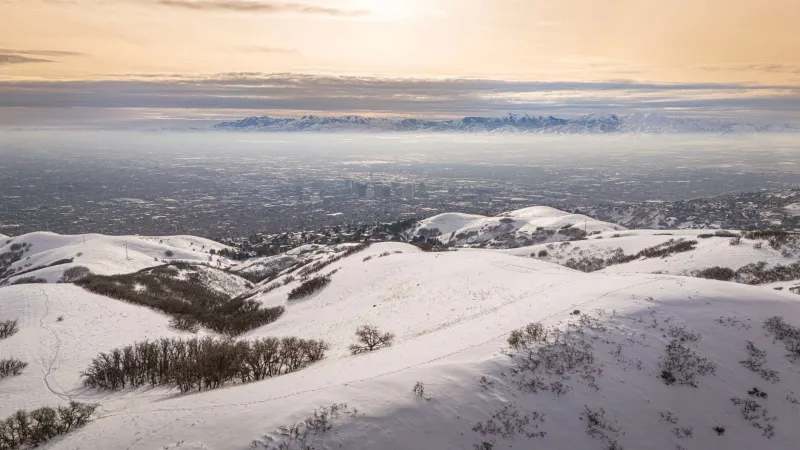
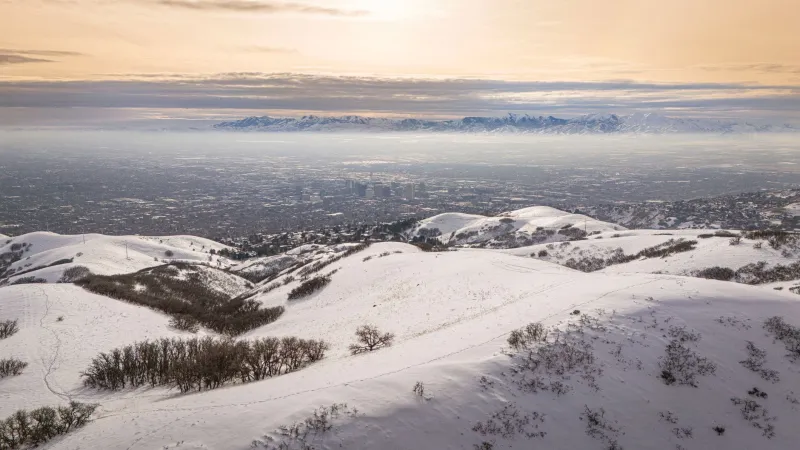
Park City, Utah sits at an elevation of approximately 7,000 feet at its base, with surrounding neighborhoods and ski communities climbing well beyond 8,000 feet. For most visitors, that number registers primarily as a reminder to hydrate upon arrival. For serious real estate investors, however, elevation is something far more consequential — a structural variable that touches construction economics, material performance, buyer wellness, and the long-term demand dynamics that underpin resale value.
This article examines the altitude advantage through a lens that most listing presentations simply do not offer.
How Elevation Shapes the Built Environment
Constructing a home at high altitude is a technically demanding undertaking that carries real cost implications. At elevations above 6,500 feet, building materials behave differently. Wood experiences accelerated moisture cycling due to lower atmospheric pressure and more intense UV radiation, which can compromise structural integrity over time if inferior grades are used. Concrete curing is affected by reduced oxygen levels, requiring adjusted mix designs and extended monitoring periods. Mechanical systems — particularly HVAC equipment — must be derated to account for thinner air, meaning that a furnace rated for a sea-level home may deliver significantly less output at Park City's elevation without proper calibration.
Reputable builders operating in the Park City market understand these requirements and price their work accordingly. This is one reason why construction costs per square foot in Park City frequently exceed those of comparable mountain communities at lower elevations. It also explains why properties built with high-specification materials and engineering oversight tend to hold their value more reliably — the structural baseline is simply more demanding.
For buyers evaluating existing homes, altitude-related wear patterns are worth examining carefully during inspection. Roofing materials, exterior sealants, and window assemblies are all subject to accelerated degradation at high elevation. Properties that have been meticulously maintained — or recently updated with altitude-appropriate materials — represent a meaningfully different risk profile than those that have not.
The Wellness Premium: Why Health-Conscious Buyers Are Drawn to Higher Ground
The luxury real estate market has undergone a pronounced shift toward wellness-oriented living over the past decade, and Park City's elevation places it at the center of that trend. High-altitude environments offer documented physiological benefits for certain populations, including improved cardiovascular conditioning over time, reduced allergen exposure, and lower humidity levels that many buyers find conducive to respiratory health.
Among the buyer cohort that Park City attracts — affluent professionals, semi-retired executives, and health-focused families — these attributes carry genuine purchasing weight. The altitude is not merely a backdrop; it is part of the value proposition. Buyers arriving from lower-elevation metros like Los Angeles, Dallas, or Chicago often describe the air quality and physical sensation of Park City as a primary motivator for relocation or second-home acquisition.
This wellness narrative has a direct market effect. Properties marketed within communities that emphasize outdoor access, clean air, and active lifestyle amenities consistently attract stronger buyer interest and, in many cases, command premium pricing relative to comparable square footage in lower-elevation settings. When altitude is positioned as a health asset rather than an inconvenience, it becomes a legitimate differentiator in a competitive luxury landscape.
Neighborhood Elevation Differentials and What They Mean for Pricing
Not all Park City neighborhoods sit at the same elevation, and those differentials carry real pricing implications. Communities such as Deer Valley's upper precincts, Empire Pass, and the higher reaches of Promontory sit at elevations that offer both superior mountain views and a more pronounced sense of removal from the activity of lower Park City. These attributes — panoramic sightlines, reduced traffic noise, and cooler summer temperatures — translate into consistent demand from buyers seeking genuine exclusivity.
Conversely, neighborhoods positioned at the lower end of Park City's elevation range benefit from easier year-round accessibility, proximity to Main Street amenities, and a more temperate microclimate during shoulder seasons. These properties attract a different buyer profile: those who prioritize convenience and walkability over summit-level seclusion.
Sophisticated investors should understand that neither position is inherently superior — the question is alignment between elevation profile and target buyer. A vacation rental property at higher elevation may command exceptional nightly rates during peak ski season but requires more careful attention to shoulder-season occupancy strategies. A lower-elevation property may achieve more consistent annual occupancy but with a lower peak-rate ceiling.
Resale Dynamics: Does Altitude Appreciate Differently?
Historical sales data from the Park City market suggests that properties at higher elevations — particularly those with ski-in, ski-out access or unobstructed ridgeline views — have demonstrated resilience during broader market corrections. The scarcity of developable land at high elevation creates a supply constraint that does not exist at lower altitudes, and scarcity is among the most reliable drivers of long-term value.
That said, resale at high elevation is not without its nuances. The buyer pool for a $10 million ski-in property at 8,500 feet is inherently narrower than for a $3 million home in a more accessible community. Sellers in premium elevation tiers must be prepared for longer marketing timelines and a more deliberate negotiation process. The reward, historically, has been stronger price-per-square-foot performance and reduced sensitivity to broader market softening.
Practical Guidance for Altitude-Aware Buyers
For those approaching Park City's luxury market with altitude as a conscious investment factor, several practical considerations merit attention. First, commission a thorough inspection that specifically addresses altitude-related wear — roofing, exterior finishes, mechanical systems, and foundation integrity. Second, consult with a local builder or structural engineer before acquiring a property that may require significant renovation; altitude-related construction premiums should be factored into your budget from the outset. Third, evaluate the elevation profile of any prospective rental property against your target guest demographic — families with young children or older buyers may have different altitude tolerance than younger, athletically oriented renters.
Finally, engage a local real estate professional who can speak to micro-neighborhood elevation differentials with specificity. In Park City's luxury market, a difference of 500 feet in elevation can represent a meaningful distinction in both lifestyle character and long-term investment performance.
At Park City AV, we believe that informed buyers make better decisions — and understanding the full dimension of what elevation contributes to this market is an essential part of that process.